


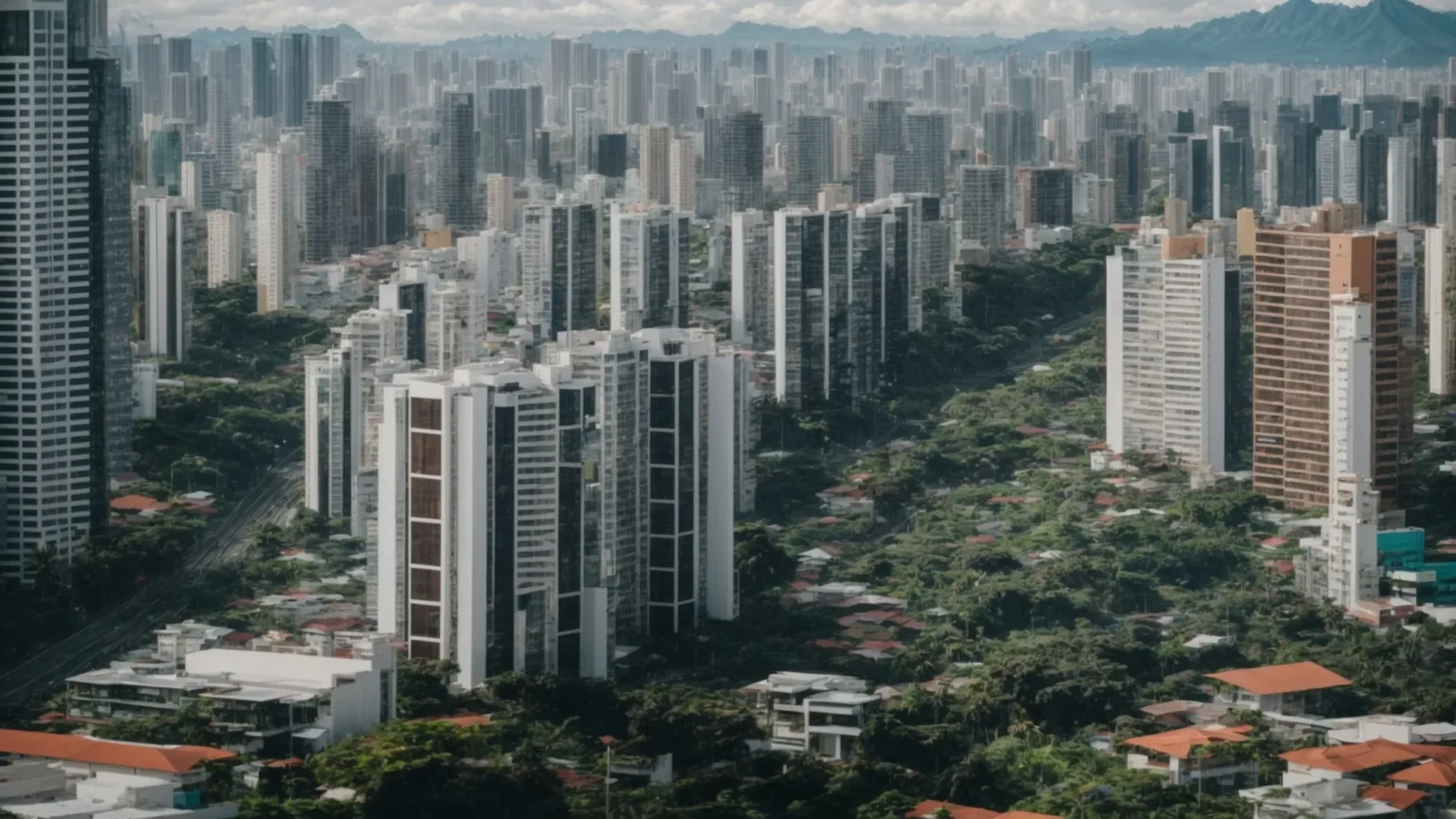
Why the Philippines Is a Smart Destination for Property Investment
With steady economic growth and a dynamic real estate market, the Philippines has emerged as a prominent destination for global property investors. Favorable demographics, increasing urbanization, and a growing middle class continue to drive demand for residential and commercial properties. Additionally, the country’s strategic location and burgeoning tourism sector contribute to the attractive investment landscape. Below, we explore the factors that make the Philippines an intelligent choice for property investment.
Exploring the Economic Growth of the Philippines and Its Impact on Property Investment
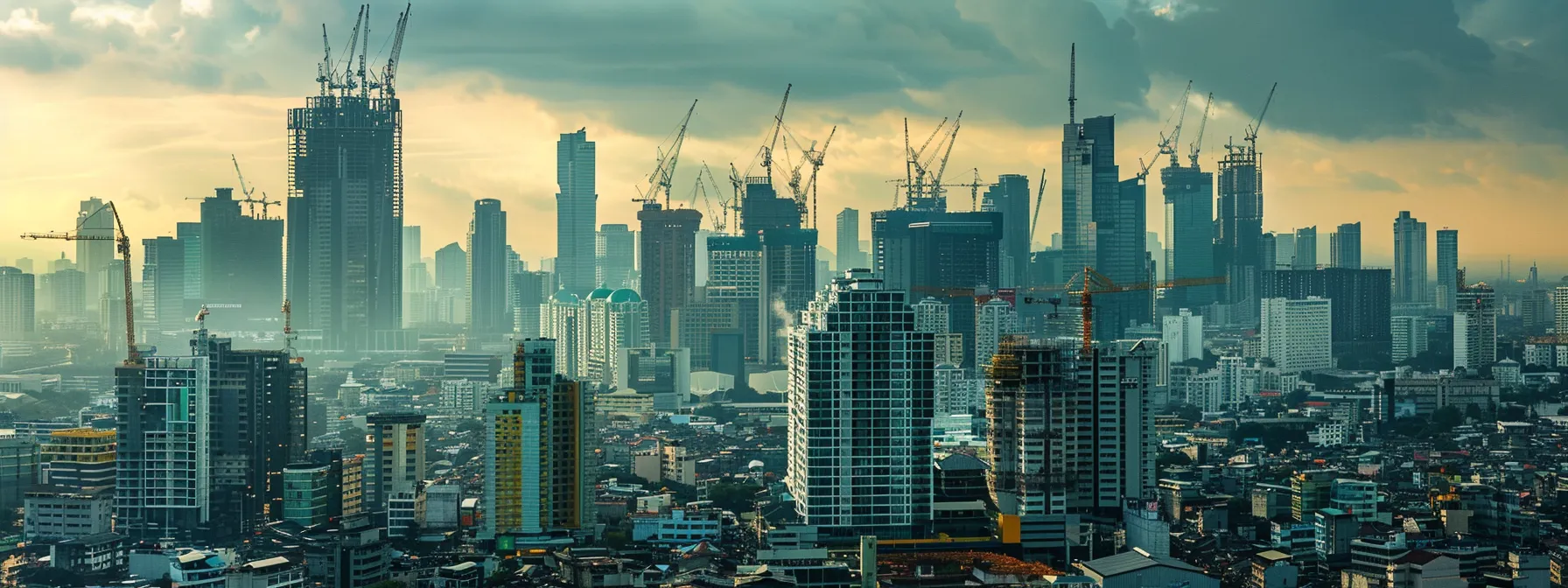
The real estate Philippines has showcased robust growth over the past decade, outpacing many of its Southeast Asian neighbors. This economic expansion is underpinned by a strong services sector and considerable contributions from overseas Filipino workers. With sustained GDP growth, the country’s purchasing power has increased, creating conditions for real estate to flourish.
Increased consumer confidence and spending power have translated directly into the real estate sector, with a higher demand for both residential and commercial spaces. This is particularly evident in metropolitan areas like Metro Manila, where the skyline is continually evolving with new developments. Positive economic indicators have also boosted developers’ confidence to embark on large-scale projects nationwide.
Infrastructure development, another pivotal aspect of the country’s growth, has significant implications for property values. Government-funded projects such as new highways, airports, and public transport systems make regions more accessible, thereby increasing the attractiveness of real estate in these areas. This accessibility has enabled investors to look beyond capital and explore opportunities in provincial cities undergoing transformation.
With the country’s expanding middle class, there is a noticeable shift toward homeownership and real estate investment. As more Filipinos enter the workforce and earn higher incomes, their ability to invest in property strengthens, fueling demand in the housing market. This trend provides a stable foundation for investors looking to capitalize on long-term growth in the value of Philippine properties.
Strategic Location and Tourism: Boosting Property Values in the Philippines
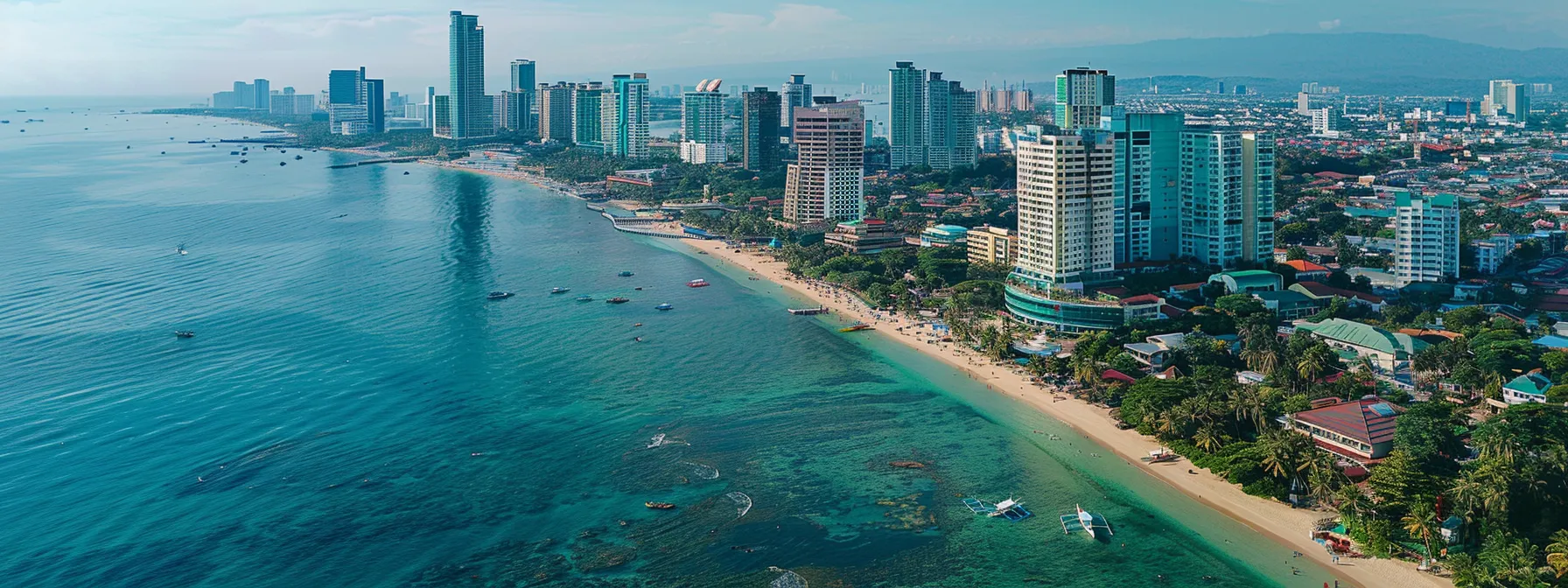
The Philippines enjoys a strategic geographic position, situated along major trade routes in the Asia-Pacific region. Its archipelagic nature provides extensive coastlines and access from many parts of the world. These geographical traits not only enhance the nation’s tourism appeal but also make it a strategic investment destination, positively impacting property values.
The country’s tourism industry has seen exponential growth, attracting travelers with its pristine beaches, rich cultural heritage, and warm hospitality. Tourist hotspots such as Boracay, Palawan, and Cebu have seen rising property values as local and foreign investors seek to capitalize on both short- and long-term rental markets. This tourism boom has also led to the development of resorts, hotels, and vacation homes, which create a vibrant property market.
Infrastructure improvements that support tourism growth, such as airport and port expansions, also play a pivotal role in enhancing property values. Improved accessibility means more tourists and business travelers, which in turn increases demand for accommodations and commercial establishments.
Beyond the tourism-centric locales, even less-renowned areas of the Philippines are becoming more attractive due to the knock-on effects of infrastructure and development initiatives. Investors are recognizing the potential of emerging destinations, leading to growing interest in developing properties outside traditional urban centers.
Understanding the Resilience of the Philippine Property Market During Global Challenges
The resilience of the Philippine property market is one of its most compelling attributes for investors. Despite global economic volatility and challenges, including the COVID-19 pandemic, the market has demonstrated remarkable stability. The quick recovery and continued demand for real estate post-crisis underscore the sector’s steadfastness and the overall economy’s resilience.
During tough economic times, the Philippines’ real estate market has benefited from enduring demand from businesses such as BPOs and from remittances from overseas Filipino workers. These factors provide a buffer against a complete downturn and help sustain economic activity, supporting the real estate market. The growing trend of remote work has also sparked interest in residential properties outside congested urban centers.
Financial institutions in the Philippines have remained supportive of the real estate sector, often offering favorable lending rates for property purchases and developments. This financial support has played a critical role in sustaining the sector’s momentum, encouraging developers and buyers to continue investing despite global economic uncertainties.
The forward-thinking approach of the Philippine real estate industry, including the adoption of sustainable practices and innovative technologies, has strengthened its resilience. Developers are increasingly prioritizing eco-friendly designs and smart home technologies, which resonate well with modern buyers and imply a future-oriented market.
The Philippines offers a robust, dynamic property market that stands out as a sound investment amid global opportunities. The combined effect of its economic growth, strategic location, tourist appeal, proactive government policies, and a resilient market makes it a compelling option for both local and international investors.