


Commercial Roofing Contractors vs Residential Roofing Contractors: Which Service Is Right for You?
When it comes to roofing projects, understanding the differences between commercial and residential roofing services is crucial for making an informed decision. Each type of roofing serves distinct purposes, and selecting the right contractor can significantly impact the project’s success and longevity. In this article, we will delve into the unique aspects of commercial and residential roofing, explore key factors to consider when choosing a contractor, and examine the materials and costs associated with each type of service.
Distinguishing Between Commercial and Residential Roofing Services
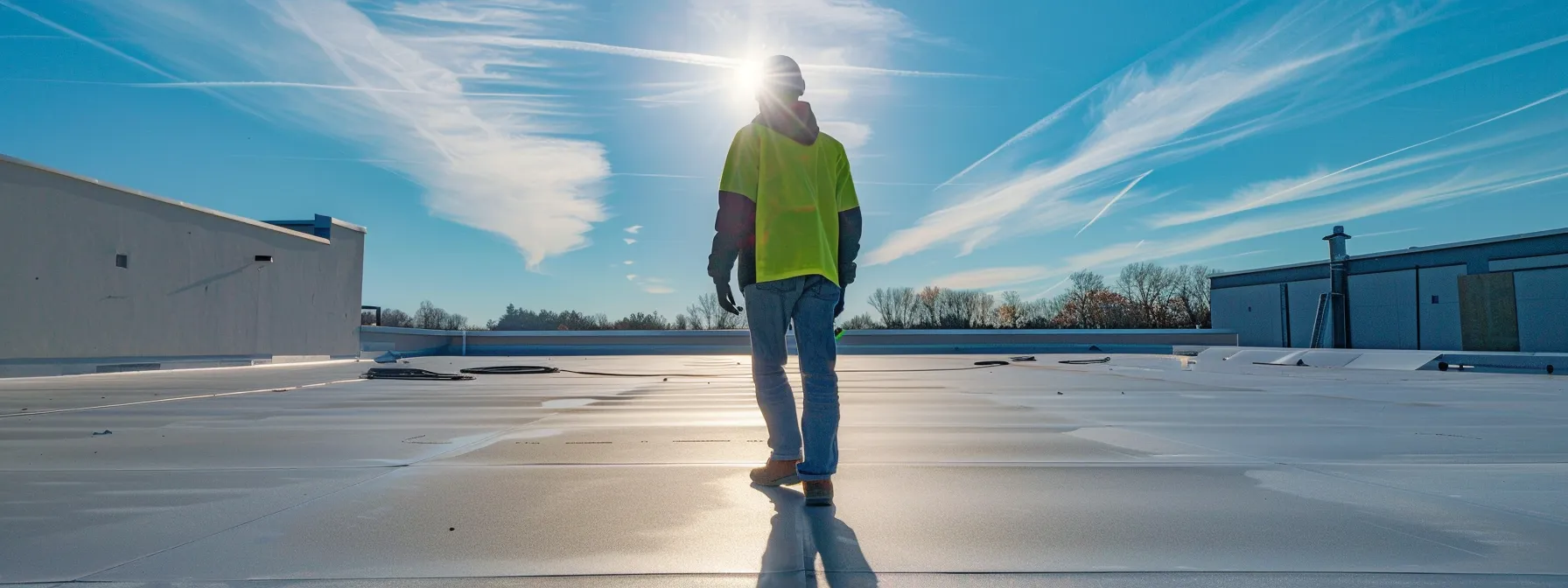
Commercial and residential roofing services differ primarily in scale and complexity. Commercial roofing often involves larger surfaces and more complex structures, requiring specialized expertise and tools. For instance, a commercial roofing project might utilize a Risk Mitigation Framework to assess and manage potential challenges throughout the construction process. In contrast, residential roofing typically involves smaller, less complex structures. Understanding these distinctions helps in choosing the right type of Roofing Contractors to match your needs.
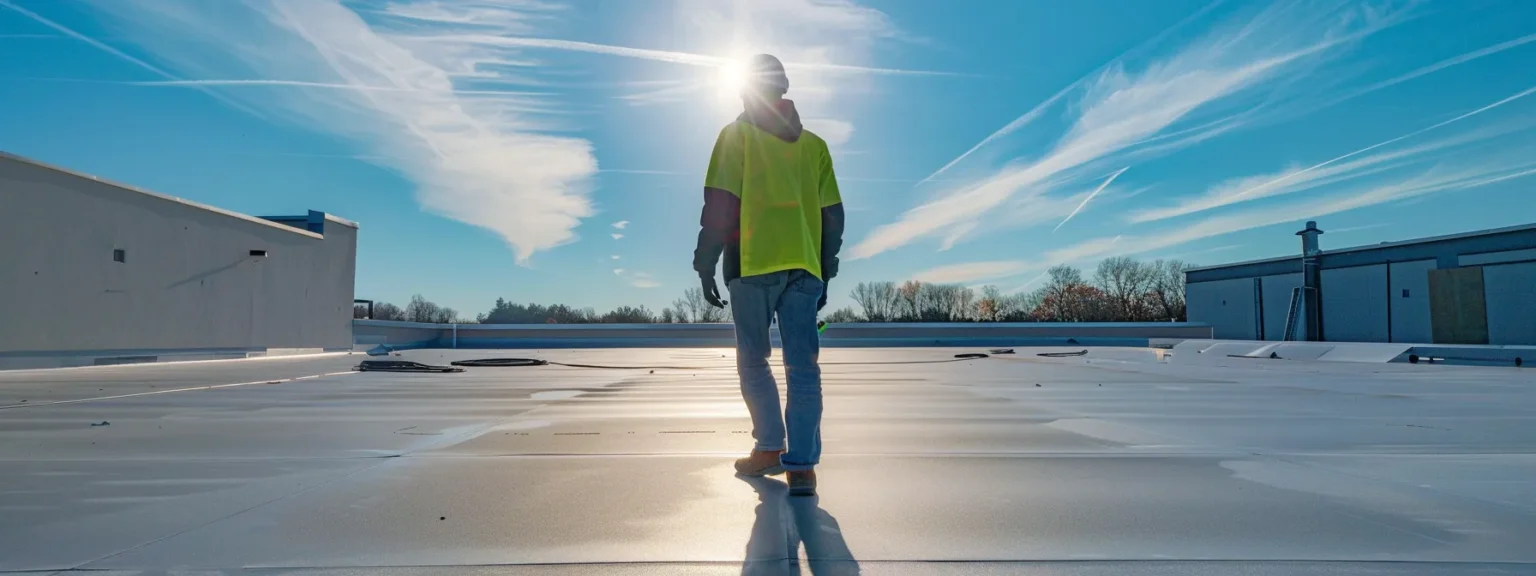
Another critical difference is the building’s purpose. Commercial buildings, such as factories or office spaces, often have flat roofs with unique drainage needs, whereas residential homes usually have pitched roofs to facilitate water runoff. This difference impacts the type of roofing materials and installation techniques used.
Finally, commercial roofing projects often require adherence to strict building codes and regulations, which demand a higher level of expertise. Contractors must be familiar with compliance auditing schedules to ensure all legal requirements are met. This is less of a concern for residential projects, which tend to have more straightforward regulatory requirements.
Key Factors to Consider When Choosing a Roofing Contractor
When selecting a roofing contractor, consider their experience with the specific type of roofing project you have in mind. A contractor’s familiarity with a Performance Benchmarking Dashboard can provide insight into their ability to deliver quality work on time. Additionally, check for qualifications like Lean Six Sigma Certification, which indicates a focus on quality and efficiency.
Another factor is the contractor’s ability to handle project management effectively. Using tools like Gantt Charting Software can help plan and execute the project efficiently, ensuring timelines and budgets are adhered to. This is especially important for large-scale commercial projects where delays can be costly.
Finally, assess the contractor’s approach to communication and stakeholder engagement. Effective communication is essential for ensuring that all parties are aligned and that any issues are addressed promptly. Contractors who utilize a Stakeholder Engagement Plan are often better equipped to manage these dynamics.
Common Types of Roofing Materials Used in Commercial vs. Residential Projects
The choice of roofing materials varies significantly between commercial and residential projects. Commercial roofs often use materials like EPDM rubber, TPO, or metal, which are suitable for flat surfaces and provide durability and energy efficiency. Residential roofs, on the other hand, commonly feature asphalt shingles, wood shakes, or tiles, which are more aesthetically pleasing and suited to pitched roofs.
Metal roofing is becoming increasingly popular in both sectors due to its longevity and energy efficiency. However, it requires precise installation techniques, making it essential to choose contractors familiar with cross-functional collaboration tools to streamline the process.
Additionally, green roofing solutions such as solar panels or vegetative roofs are gaining traction in commercial settings, driven by an increased focus on sustainability and reducing environmental impact. These solutions require contractors knowledgeable in specific technologies and installation practices.
Cost Considerations for Commercial and Residential Roofing Services
The cost of roofing services varies significantly between commercial and residential projects. Commercial roofing tends to be more expensive due to the larger scale and complexity. Contractors often use a RACI Matrix Development to allocate resources effectively, minimizing costs while maximizing efficiency.
For residential projects, costs are generally lower, but homeowners should still consider factors such as warranty, material quality, and contractor reputation. It’s crucial to evaluate the long-term value rather than focusing solely on the initial expenditure.
Moreover, the use of innovative technologies and materials can impact costs. For instance, implementing a Data Governance Policy for material sourcing can ensure quality while managing expenses. Recent studies from Construction Dive suggest that integrating sustainable materials can initially increase costs but provide significant savings over time.
Conclusion

Choosing between commercial and residential roofing services requires careful consideration of the unique needs and constraints of your project. Understanding the differences in materials, regulations, and costs will guide you to the right decision. Whether you need a robust solution for a commercial building or a visually appealing option for a home, selecting the right contractor is crucial. Evaluate your priorities and consult with experts to ensure a successful roofing project tailored to your specific requirements.